
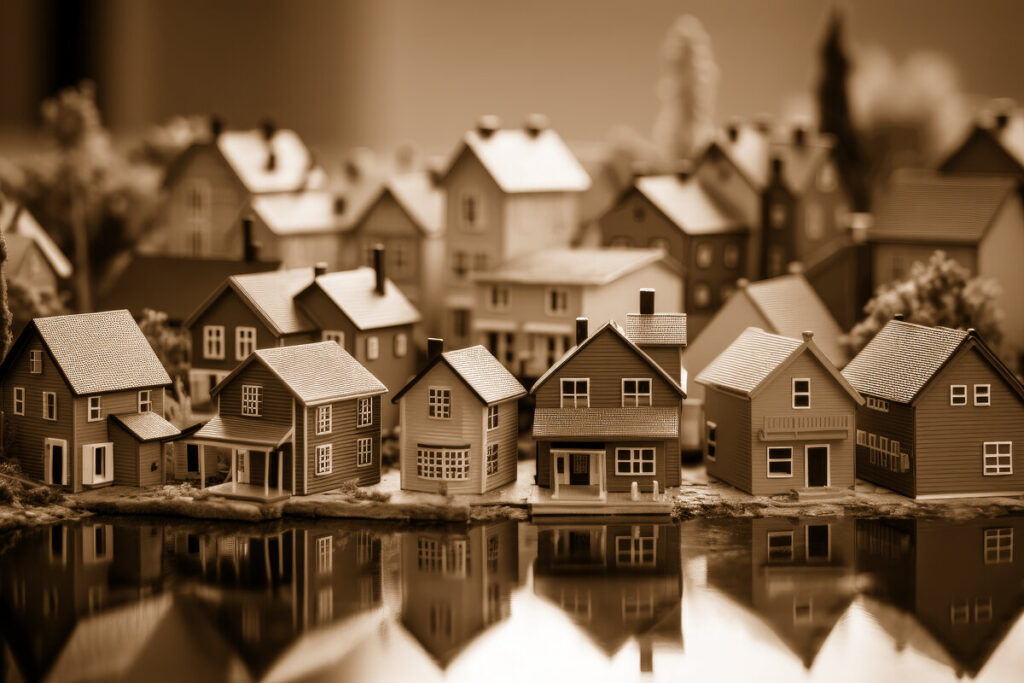
Nestled along California’s scenic Monterey Bay, La Selva Beach is more than just a hidden gem for sun-seekers—it’s a vibrant neighborhood built on a foundation of community, natural beauty, and a fascinating history stretching back nearly a century. To stroll through its oak-shaded streets or perch atop the bluffs at Triangle Park is to step into a story that weaves together early settlers, booming beach resorts, and a commitment to preservation that shapes the town today.
Origins: From Rancho to Retreat
Before bungalows dotted Playa Boulevard and children’s laughter echoed through La Selva Beach Club, this coastline was part of the sprawling Rancho Aptos—a Mexican land grant awarded in 1833 to Rafael Castro. For decades, the sandy bluffs and rolling meadows played host to grazing cattle rather than vacationers. It wasn’t until the early 20th century that developers saw the area’s potential.
In the 1920s, the La Selva Beach Company purchased much of today’s neighborhood, envisioning a seaside haven for those looking to escape the bustle of city life. The name “La Selva,” meaning “the jungle” in Spanish, was inspired by the dense groves of coastal oaks and chaparral that cloaked the dunes. Early advertisements promised “sunshine, surf, and serenity,” and these words still ring true for residents today.
Naming the Neighborhood
La Selva Beach’s name holds a certain poetic charm—a nod to both its abundant natural vegetation and its place as a sanctuary apart from the busy cities nearby. Originally dubbed “Rob Roy” after the Scottish folk hero, the name was changed in 1935 at the community’s request. They sought a label reflecting the area's verdant landscape, and “La Selva Beach” was chosen to capture the spirit of this unique coastal environment.
Key Historical Milestones
- 1925: The La Selva Beach Company lays out the first lots, promoting easy access to miles of unspoiled beach.
- 1939: La Selva Beach Club forms, quickly becoming the heart of community life with events, dances, and gatherings, many of which continue today. The "Clubhouse" on Playa Boulevard remains a beloved meeting spot.
- 1940s–50s: The neighborhood grows as World War II veterans and their families settle here, drawn to the affordable lots, open space, and friendly spirit.
- 1960s: The community banded together to preserve local parkland, leading to the creation of Triangle Park, offering sweeping ocean vistas at the western end of Via de la Selva.
- 1970: The annual 4th of July parade, an enduring local tradition, is founded—still a festive highlight, complete with vintage cars, children’s floats, and neighbors lined along the streets.
- 1980s–present: Growth is carefully managed, with attention to protecting La Selva’s small-town charm, open spaces, and historic structures.
Notable Landmarks and Buildings
Despite its modest size, La Selva Beach boasts several iconic places:
- La Selva Beach Club (314 Estrella Avenue): For generations, the Clubhouse has served as the hub for neighborhood gatherings, holiday parties, and community meetings. The original 1930s building, with its wooden beams and cheerful blue trim, exudes warmth and welcome.
- Triangle Park: At the intersection of Via de la Selva and Playa Boulevard, this little park offers some of the best coastal views in Santa Cruz County. Native gardens and picnic tables make it a favorite spot for sunset or watching whales swim by in spring.
- La Selva Beach Library: Located at 316 Estrella Avenue, this branch began as a volunteer-run book exchange in the 1940s, reflecting the neighborhood’s strong culture of community involvement and lifelong learning.
- Aptos-La Selva Fire Protection District (6934 Soquel Drive): Originally a volunteer fire station, it has protected residents since the 1940s, symbolizing the tight-knit, neighbor-helping-neighbor tradition.
- Playa Boulevard: This central artery runs through the heart of La Selva Beach, lined with mature trees, historic cottages, and the echoes of generations past.
Evolution Through the Decades
La Selva Beach has always been shaped by both its natural surroundings and the dreams of its residents. In the early years, sandy lanes and wooden boardwalks connected vacation cottages—many of which are still standing. Over time, modest beachfront shacks were replaced with thoughtfully designed homes, but the community’s open, friendly character remains unchanged.
Key turning points came when locals mobilized to protect what makes the neighborhood unique. The successful campaign to block highway development in the 1960s saved acres of native habitat and kept the area free from commercialization. Homeownership passed down through generations has engendered continuity and tradition—evident in summer bonfires, beach cleanups, and annual block parties that have become the fabric of local life.
Homes here are cherished refuges, maintaining an architectural style that blends California ranch, classic cottage, and contemporary influences. Gardens spill over fences, and there’s a welcoming sense that neighbors look out for one another—whether it’s helping decorate for the Halloween parade or organizing the next potluck at the Clubhouse.
Institutions and Streets that Shape La Selva’s Spirit
Community institutions remain vital. The Friends of La Selva Beach Library continue to support literacy and events; the La Selva Beach Improvement Association advocates for safety, maintenance, and local beautification projects. Streets such as Estrella Avenue, Mar Monte, and Via de la Selva have their own micro-cultures—some boasting historic homes or generations-long residents, others popular for their proximity to the famous beach steps leading down to the sand.
Preserving Heritage and Embracing the Future
While the world beyond La Selva Beach has changed dramatically, this neighborhood remains steadfast in its commitment to preserving its heritage. Efforts to protect coastal bluffs, restore native dunes, and maintain historic buildings underscore a deep sense of respect for both history and the natural world.
Today, new generations fall in love with La Selva Beach for the same reasons their predecessors did: the tranquil sea breezes, the calls of red-tailed hawks soaring overhead, and the sense of belonging that comes with being part of something enduring. Walk down Playa Boulevard as the sun sets or join in a community event at the Clubhouse, and you'll understand what makes this coastal enclave so special. La Selva Beach is more than just a place—it’s a living legacy, lovingly tended by those who call it home.